





How to Buy a Ranch Property: What Buyers Often Overlook


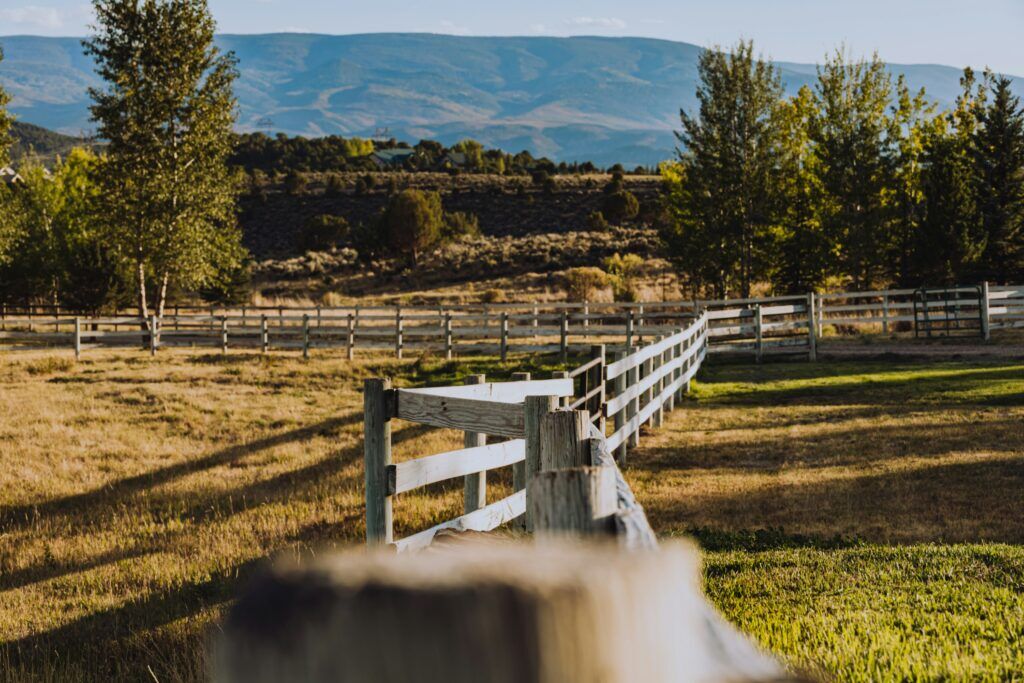
Most people fall for a ranch through the house. The barn is charming, the oaks are old and shaped just right, there’s a view that makes the whole thing feel inevitable. By the time I’m walking the property with them, they’ve already mentally moved in. But buying a ranch property involves more than the land’s charm.
My job as a real estate agent usually involves the least romantic questions in the whole transaction.
Where does the road actually go when it rains? Who’s responsible for the fence line on the east side? What happens here in a bad fire year? Buyers are looking at what the ranch is right now, on a clear afternoon, looking its best. I’m trying to picture it in February, or during a dry October, or five years after the current owner stops maintaining it personally.
“Ranch” gets used as if it describes one kind of property. It doesn’t. A cattle operation, a horse property, a recreational parcel, and a working vineyard can all technically qualify, and what makes one of them a smart purchase can make another a mistake.
Before evaluating any specific acreage, get honest about what the land actually needs to do. Grazing has different requirements than an equestrian setup. A hobby vineyard needs things a hunting property never will. Buyers who skip this step end up comparing ranches that aren’t actually comparable to each other in the first place.
Access matters more than the driveway suggests
Access to the land gets overlooked constantly when buying a ranch, and it shouldn’t. A private road that’s a nice five-minute drive in July can be a big problem in winter, especially if grading and maintenance responsibilities aren’t clearly documented.
If the plan involves livestock, farming equipment, or regular deliveries, check the road width, the turning radius at the gate, and whether it can realistically handle a horse trailer or a fire truck, not just a sedan. Shared roads need a real maintenance agreement, not a handshake deal with a neighbor.
Ask who grades the road, how often, and who pays when it washes out. I’ve seen buyers discover after closing that “shared access” meant nobody was actually responsible for it.
Inspect the infrastructure the way you’d inspect the house
Barns, fencing, corrals, wells, pumps, septic systems, and outbuildings all get far less scrutiny than the kitchen during a typical showing, which is backward when buying a ranch.
Just because a structure stands intact and looks fine during a walkthrough, it doesn’t guarantee the owner permitted it, built it safely, or designed it for your intended use. Fencing that has contained cattle for a decade might fail entirely with horses, which test barriers in ways cattle never do. A barn that looks solid from the outside might need a new roof the first winter, or have wiring nobody’s touched since the seventies. Corral footing that’s fine for occasional use can turn to mud the first time it’s actually worked hard.
Bring in someone who inspects agricultural infrastructure specifically, not just a general home inspector. Find out when a contractor last serviced the well pump and whether the fencing meets local codes for your animals. Inspectors may have approved the setup for the previous owner, but your specific plans might violate current rules.
Water and usable acreage still deserve real scrutiny, but don’t stop there
Water source, well production, and how much of the total acreage is genuinely usable are foundational questions on any land purchase, ranches included. They’re worth verifying with an actual well test and a real look at topography rather than trusting the listing description.
Ranch buyers get caught off guard when they assume that because land is fenced or graded, it’s automatically productive. Rocky terrain, drainage issues, and seasonal flooding can quietly take a large percentage of acreage out of practical use, even when the number on paper looks generous. A hundred acres that’s mostly steep hillside and seasonal creek bed might support less grazing than a well-configured thirty.
Understand what the land is actually allowed to do
Agricultural zoning, conservation easements, and tax-incentive programs can significantly restrict a buyer’s ability to build structures or alter the land. Before buying a ranch, you must thoroughly research local regulations to know exactly what the law allows on the property. Don’t assume.
A property might currently run cattle, host occasional events, or include a second dwelling that isn’t fully permitted. None of that guarantees a new owner can continue it, or expand it, without new approvals. This is worth confirming directly with the local planning department and a real estate attorney rather than relying on what the seller believes to be true. Owners are often working from outdated or incomplete information themselves, sometimes in good faith.
Fire and insurance can quietly rewrite the economics
In California and across much of the West, wildfire exposure has become one of the biggest hidden costs of ranch ownership. It deserves more attention than most buyers give it before making an offer.
Start with actual quotes, not assumptions carried over from a previous home policy. Rural and high-fire-risk properties increasingly end up with carriers with specialized coverage rather than a standard homeowner’s policy. Premiums on those policies can run considerably higher, sometimes enough to meaningfully change the math on the purchase. Ask directly whether the property has had trouble securing or renewing coverage in recent years. That question alone tells you a lot.
Defensible space requirements, brush clearance, and distance from the nearest fire department all factor into both insurability and cost. They’re worth walking with someone who evaluates this specifically rather than guessing based on how the property looks.
Vegetation management isn’t a one-time task either. It’s an ongoing line item. On larger acreage it can mean real annual spend on clearing, mowing, or grazing to keep fuel loads down.
None of this means avoiding rural property. It means pricing the real cost of ownership before falling in love with the view, not after.
Boundaries, easements, and what your neighbors are already doing
Experienced ranch buyers know to check boundaries, easements, and neighbors. However, first-time buyers often don’t think to ask about it at all.
Fence lines on rural property aren’t always where people assume. Disputes over exactly where a boundary sits are common enough that a proper survey, not just the fence as it currently stands, is worth the cost. Ask whether a neighbor has grazing rights, a hunting lease, or an easement crossing any part of the property. Those arrangements sometimes outlast a sale and transfer with the land whether a new owner expected them to or not.
It’s also worth understanding what’s happening on adjacent parcels. A neighboring cattle operation, an active quarry, or land zoned for something a buyer wouldn’t want next door can affect both daily life and future resale in ways a walkthrough of the subject property alone won’t reveal.
Decide honestly whether you want the ranch or the idea of it
This is where I’d spend real time before writing an offer, because it’s the question that determines whether someone is happy in year five, not just on closing day. Do you really want to buy a ranch and manage the daily work that it requires?
Owning land like this means fencing that needs mending, roads that need grading, wells and pumps that need servicing, and weeds that never fully stop being a problem. If there’s livestock involved, it means feeding on a schedule that doesn’t care about weather, holidays or how tired anyone is. And it means having a real plan for who handles that when the owner travels. Equipment, tractors, mowers, and trailers aren’t optional scenery. It gets used, it breaks, and it needs somewhere to live and someone who knows how to run it.
Some people find all of that genuinely satisfying, even the parts that go wrong. Others enjoy how the property looks from the porch a lot more than they’d enjoy the actual maintenance schedule behind it. There’s no shame in that, but it’s a very different property they should be shopping for. Talk to the property’s current caretaker or manager if there is one. Ask what an actual week looks like, not the highlight version. Be honest about how much of this you want to do yourself versus hire out. Price that labor into the decision now rather than discovering the real cost after the first year.
The house gets someone to schedule the showing. What determines whether they’re still happy with the property a decade later is almost entirely about the land underneath it. When buying a ranch, you must consider: the water, what the land is legally allowed to become, and what it costs to insure and maintain. Also look into who’s on the other side of the fence line, and whether the buyer actually wants the work that comes with all of it.